
Wedding Ceremony Music in Cincinnati: Guitar, String Quartet, or Piano?
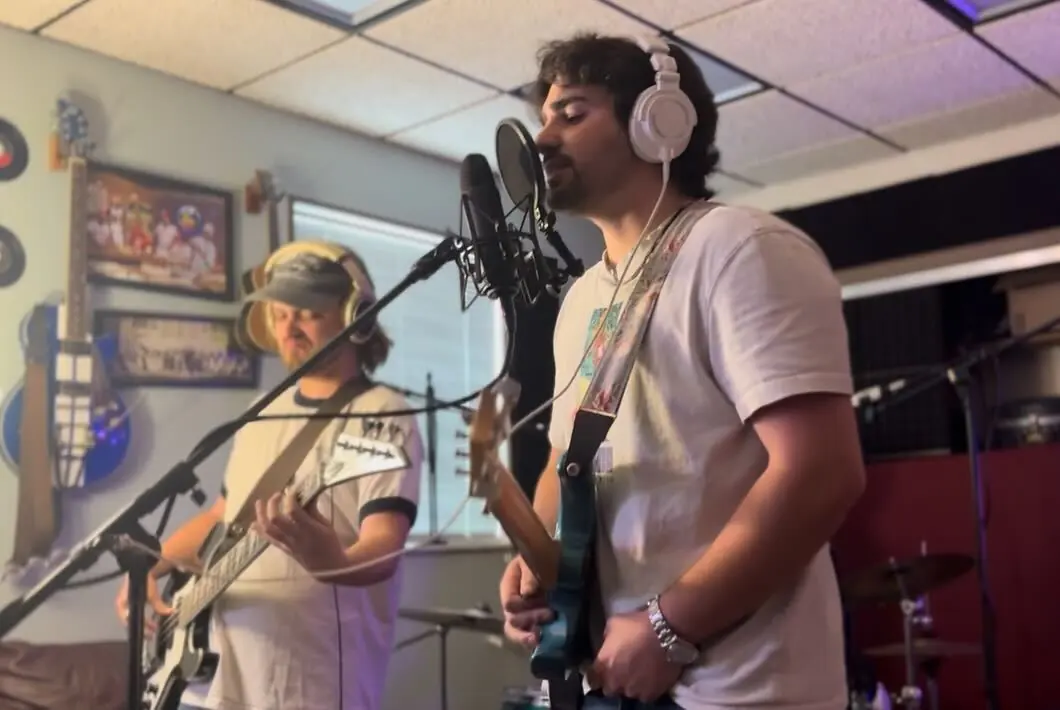
Live ceremony music in Cincinnati usually comes in three formats: a solo acoustic guitarist, a string quartet, or a pianist. The right pick depends on your venue, how formal the day is, and which songs you want to walk to. This guide covers how each option works and what to ask before you book.
What are the options for live wedding ceremony music?
The three common formats are solo acoustic guitar, a string quartet, and solo piano. Some couples add a vocalist to any of them.
- Acoustic guitar is the most flexible: one player with a small footprint, at home in a chapel, a ballroom, or a field.
- A string quartet (two violins, viola, cello) gives the fullest, most traditional sound and needs room for four seated players.
- Piano suits venues that already have one, or ceremonies where a keyboard can be brought in and plugged in.
Is an acoustic guitarist or a string quartet better for a wedding ceremony?
A guitarist is better for smaller, relaxed, or outdoor ceremonies, and a string quartet is better for large, formal ceremonies in big rooms. A quartet fills a cathedral or ballroom on its own. A solo guitar sounds warm and personal and is easier to place in a tight space, like a garden arch or a barn loft.
Song choice matters too. Pop and rock songs often sound natural on guitar because many were written on one. Classical pieces like Pachelbel's Canon in D sound most at home with strings or piano, though all three formats can play them.
Which songs work for a ceremony processional?
Any song works if it can be arranged to fit the walk. Popular picks include:
- Canon in D (Pachelbel)
- Can't Help Falling in Love (Elvis Presley)
- Here Comes the Sun (The Beatles)
- A Thousand Years (Christina Perri)
- Perfect (Ed Sheeran)
For the recessional, couples usually switch to something upbeat. Mendelssohn's Wedding March is the classic choice, and Signed, Sealed, Delivered by Stevie Wonder is a common modern one.
How does a ceremony musician time the music to the walk?
A good ceremony musician watches the aisle and stretches or shortens the song so it peaks when you arrive at the front. That usually means repeating a section while the wedding party walks, then moving to the chorus or the strongest phrase for your entrance. Your coordinator or officiant gives a cue, and the musician follows it. Ask any musician you interview how they handle this. If the answer is a fixed-length recording, keep looking.
Do you need a sound system for ceremony music?
For larger ceremonies and anywhere outdoors, yes. Wind, traffic, and open air swallow an unamplified guitar or a quiet vow. A small sound system lets guests in the back row hear both the music and the officiant. Check whether your musician brings their own microphones for the officiant and the vows, or whether the venue provides them.
What should you ask before booking a ceremony musician in Cincinnati?
- Will you learn a song that is not already in your repertoire?
- How do you time the processional to the walk?
- Do you bring sound equipment and microphones for the officiant?
- What do you need at the venue (power, shade, a chair, a covered spot if it rains)?
- Can you also play cocktail hour, or hand off to a DJ or band?
Who plays live ceremony music in Cincinnati?
Monorail Sound does. Evan, who owns the company, plays ceremony guitar himself and learns the songs couples send him. We also arrange string quartet and piano ceremonies, and we bring our own sound. One couple, Anna and Matt, said Evan learned multiple songs for them and timed everything with the flow of the ceremony.
Because we also run the reception, the same crew can play cocktail hour and then switch to a wedding DJ or a live band. See our Cincinnati ceremony music page, or send us your date and your songs.